
More Than Beautiful Places
Ask someone to describe Bali, and they will likely mention temples rising above the sea, emerald rice terraces stretching across the hills, or dramatic volcanic peaks reaching into the clouds. These landscapes have become symbols of the island, photographed millions of times and admired by travelers from every corner of the world.
Yet beneath their beauty lies something many visitors never fully realize. In Bali, landscapes are not simply admired—they are respected. Mountains are not only geological formations. Rivers are not merely sources of water. Forests are not empty wilderness. Even the smallest village temple carries a meaning that extends far beyond its stone walls.
To understand Bali is to recognize that nature and spirituality have never been separated. They exist together, shaping the rhythm of everyday life in ways that remain remarkably visible even in the modern world.
The Mountain That Watches Over the Island
Standing at more than 3,000 meters above sea level, Mount Agung dominates Bali’s eastern horizon. For many travelers, it is simply the island’s highest volcano. For the Balinese, however, Mount Agung is far more than a mountain. It is considered the spiritual center of the island, a place of profound importance that influences ceremonies, temple orientation, and even traditional village planning.
Throughout Bali, many temples are intentionally built facing the mountain, reflecting the belief that higher ground represents purity and closeness to the divine. This relationship between geography and spirituality is woven into everyday life, quietly shaping the island in ways that visitors may never notice unless someone takes the time to explain it.
Watching sunrise from a valley beneath Mount Agung is therefore more than a scenic experience. It is an opportunity to witness a landscape that has inspired generations of faith, culture, and community.
How to Travel Smart and Enjoy Every Moment
Traveling is not just about visiting new places—it’s about creating memories, learning cultures, and discovering yourself. With proper planning and smart decisions, you can turn any trip into an unforgettable experience. Travel allows you to step outside your comfort zone and experience life from a different angle. From tasting local cuisine to understanding traditions and lifestyles, every destination has a story to tell. It also helps reduce stress, boost creativity, and create lasting personal growth.
Research your destination, weather conditions, local customs, and transportation options. Booking flights and accommodation early can save both time and money.
Water: The Lifeblood of Bali
If mountains represent the spiritual heart of Bali, water represents its lifeblood. Flowing from volcanic lakes and mountain springs, water nourishes the rice terraces that have sustained communities for centuries. But in Bali, water is never viewed purely as a resource. It is also a sacred element, essential not only for agriculture but for ceremonies, purification rituals, and daily offerings.
This philosophy is perhaps most beautifully expressed through the Subak irrigation system, an ancient network that distributes water across rice fields through cooperation rather than competition. More than an engineering achievement, Subak reflects a way of thinking that values balance between people, nature, and the spiritual world. It is one of the reasons Bali’s cultural landscape has been recognized by UNESCO, not simply because of its beauty, but because of the wisdom it represents.
Walking through places like Jatiluwih or the valleys of Sidemen, visitors are witnessing more than carefully cultivated farmland. They are seeing a living tradition that continues to shape the island today.
Temples as Living Spaces
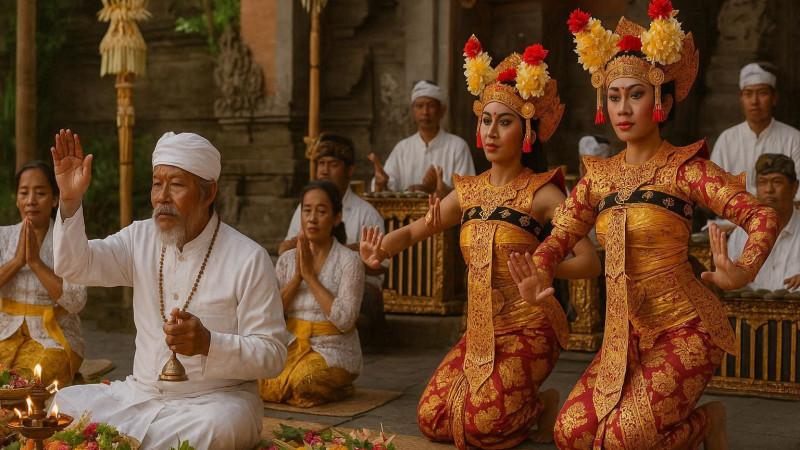
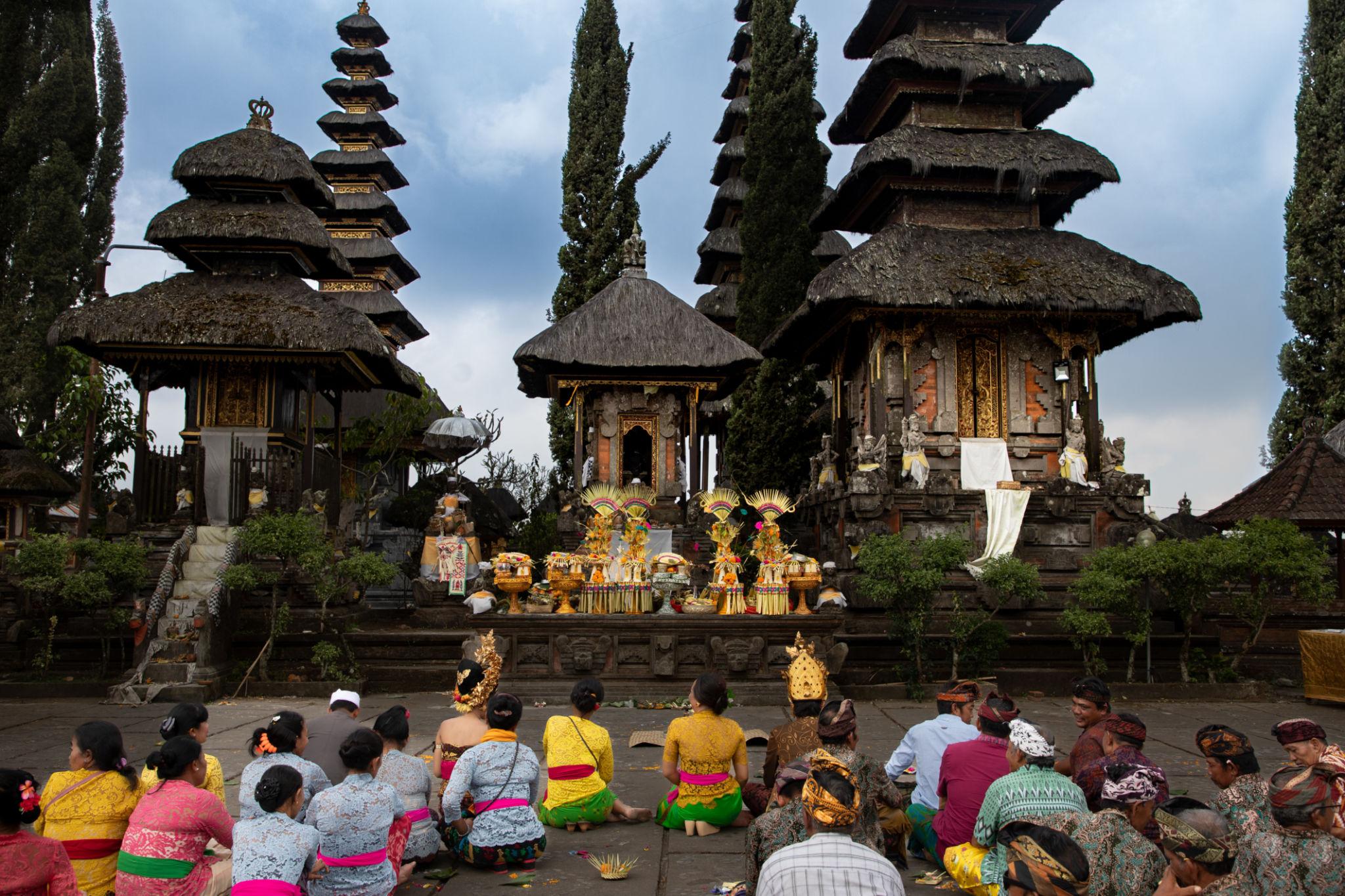
For first-time visitors, Bali’s temples often appear to be historical monuments, similar to castles or ancient ruins elsewhere in the world. In reality, most temples remain active places of worship, where ceremonies continue throughout the year and local communities gather to celebrate important moments in the Balinese calendar.
The scent of incense drifting through temple gates, the sound of traditional gamelan echoing across village squares, and the carefully prepared offerings placed each morning are all reminders that these spaces are part of everyday life rather than relics of the past.
Visitors are welcome to admire these places, but they are also invited to do so with respect. Wearing appropriate clothing, following local guidance, and understanding the significance of ceremonies transforms a simple visit into a meaningful cultural experience.
The Quiet Language of Offerings
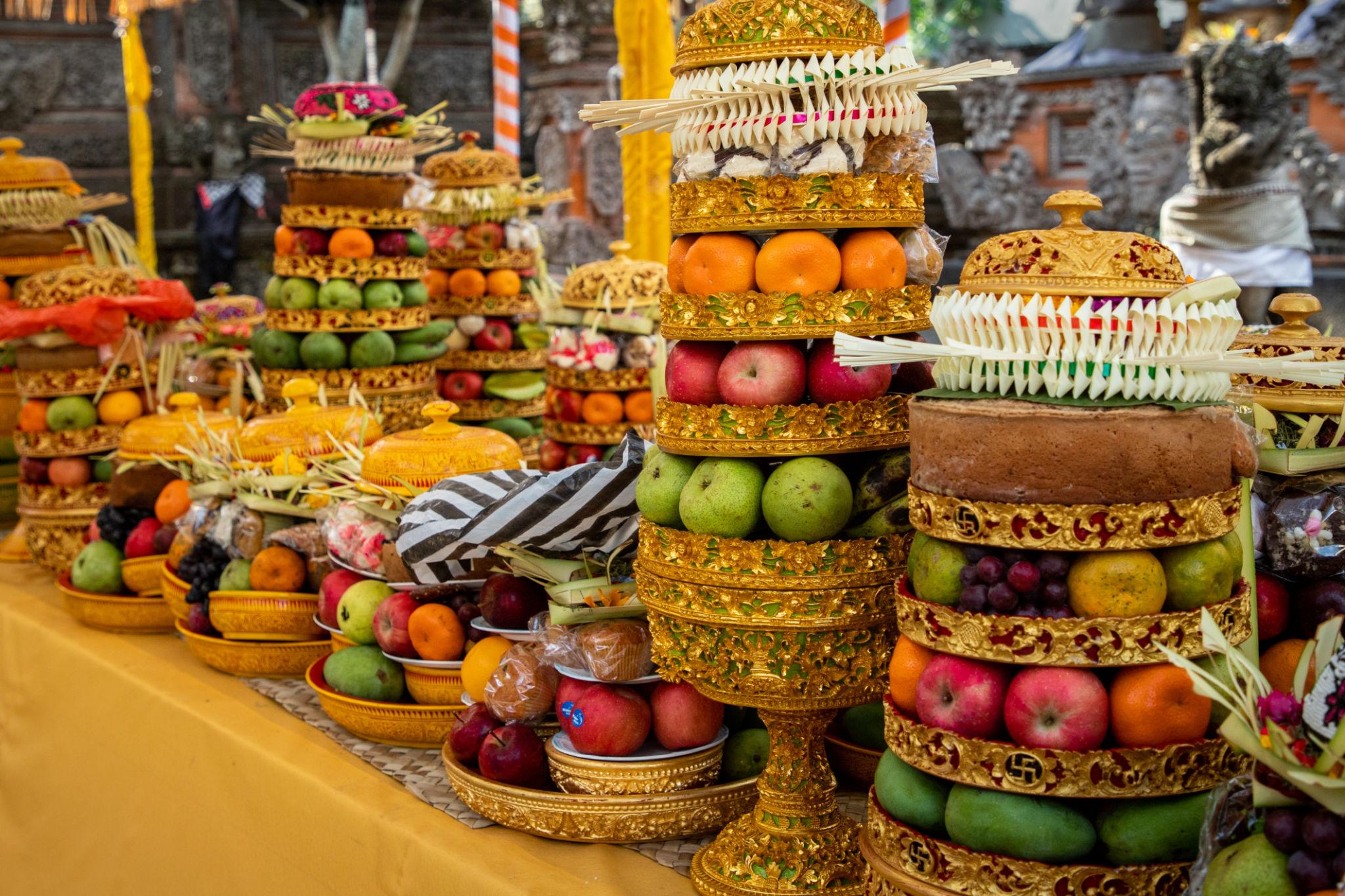
One of the first things travelers notice in Bali is the presence of small woven baskets filled with flowers, rice, and incense placed outside homes, shops, cafés, and temples. Known as canang sari, these daily offerings are among the island’s most recognizable traditions.
It is easy to mistake them for decoration, yet they represent something much deeper. Each offering is an expression of gratitude—a simple daily reminder to maintain harmony with the divine, with other people, and with nature itself. Preparing them requires patience, care, and intention, qualities that remain central to Balinese life despite the rapid changes brought by tourism and modernization.
For many visitors, these quiet rituals become one of the most memorable aspects of their journey, not because they are spectacular, but because they reveal a culture that values mindfulness in everyday actions.
Sacred Places Beyond the Temples
Some of Bali’s most sacred places have no walls at all. Ancient banyan trees are often treated with great respect, wrapped in traditional black-and-white cloth as symbols of balance. Springs hidden within forests become sites of purification. Lakes surrounded by mountains are regarded not only as beautiful landscapes but as sources of life for communities living far below.
This understanding encourages a different way of traveling. Instead of asking, “What can I do here?” visitors begin asking, “Why is this place important?” The answers often reveal stories that cannot be found on maps or social media.
Traveling With Respect
Responsible travel in Bali begins with curiosity. Learning a few local customs, dressing appropriately when visiting temples, supporting family-owned businesses, and approaching ceremonies with quiet respect all contribute to preserving the island’s cultural heritage.
These gestures may seem small, but they reflect an understanding that travel is not only about receiving memorable experiences. It is also about ensuring that the places we visit continue to thrive for generations to come.
The most meaningful travelers are rarely those who see the most. They are those who leave with a deeper appreciation for the people and traditions that make a destination unique.
Seeing Bali Beyond the Viewpoint
The beauty of Bali has never existed only in its landscapes. It lives in the relationship between mountains and villages, between rivers and rice fields, between temples and the communities that care for them. Every sunrise over Mount Agung, every flowing irrigation canal, every carefully placed offering, and every quiet ceremony reflects a philosophy that has guided the island for centuries.
Understanding this connection changes the way we experience Bali. Famous viewpoints become more than places to take photographs. Rice terraces become living cultural landscapes. Temples become spaces of devotion rather than tourist attractions. The island itself becomes more than a destination—it becomes a story of harmony between people, nature, and spirituality.
At Lokaleisure, we believe that the most rewarding journeys begin not with a checklist of places to visit, but with a willingness to understand the places we encounter. Because when we travel with curiosity and respect, every landscape reveals a deeper meaning.
And perhaps that is the greatest journey Bali has to offer.
Slow Down. Enjoy Bali.